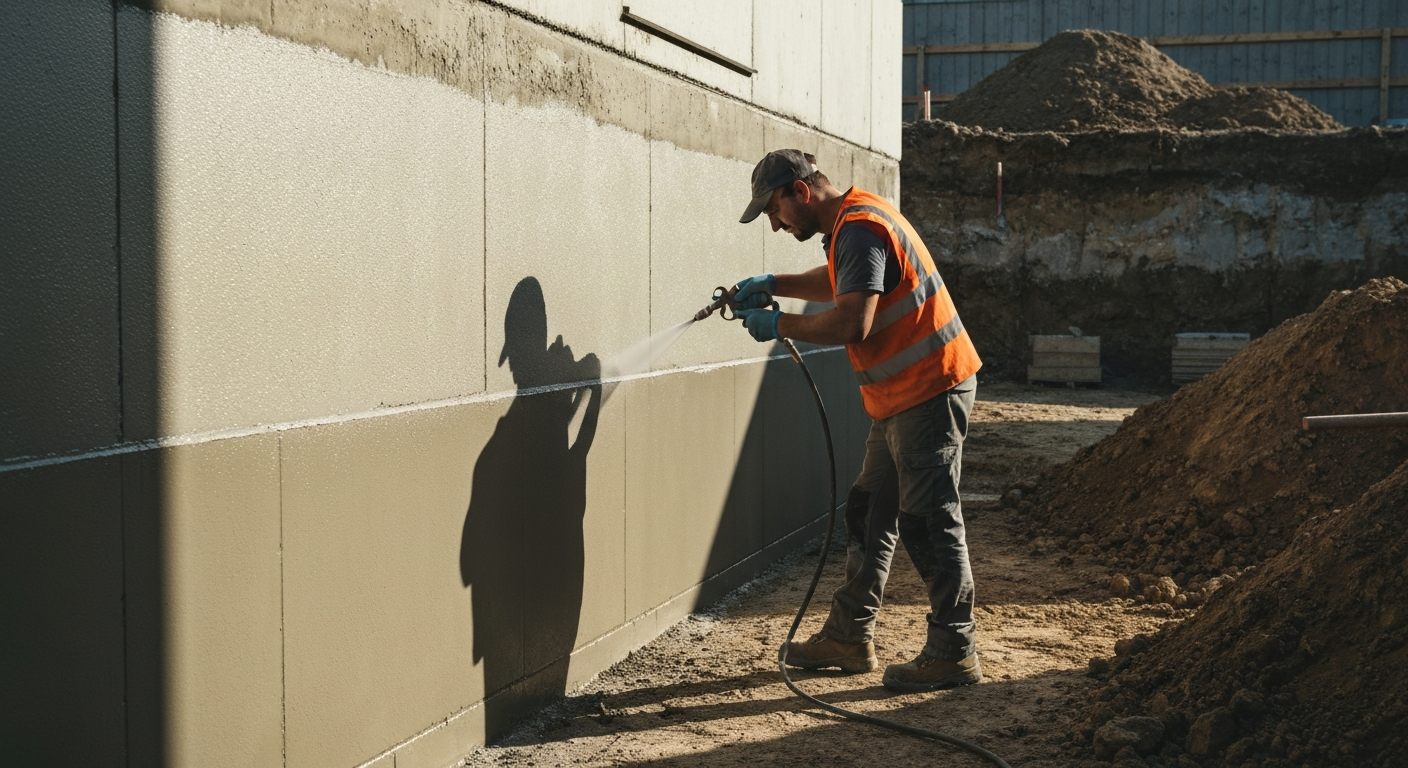
Basement waterproofing options and costs in West Vancouver
Basement waterproofing in West Vancouver usually comes down to one of two goals: stop active water entry at the source (exterior drainage and membrane), or manage water after it enters (interior drains and sump pumping). With many West Vancouver homes built before 1981—53.8% of the housing stock—older original systems are more likely to be outdated or failed, especially perimeter weeping tile and sealing details around joints. In fact, with 70.9% of households owning (Statistics Canada, 2021 Census), many homeowners are planning long-term retention of existing basements rather than replacing foundations, so retrofits are common.
Lower Mainland–Southwest pricing tends to run higher than the national average because persistent groundwater and prolonged rainfall keep hydrostatic pressure working against basement walls and slabs. Even in milder winters, frequent freeze-thaw in coastal BC can widen existing cracks and joints, turning small seepage into recurring damp patches. Labour and logistics also add cost: tight urban lots around West Vancouver’s older neighbourhoods often mean mechanical excavation, deck/landscape access constraints, and careful restoration. In areas like Eagle Harbour and West Bay, contractors are frequently in demand due to higher proportions of older homes and challenging access near waterfront-adjacent properties.
Use the table below to compare common approaches and realistic budget ranges before you request an itemised quote.
| Method |
What It Addresses |
Disruption Level |
Durability |
Price Range |
| Exterior excavation + new membrane + drainage tile |
Ongoing water at foundation wall (hydrostatic pressure), failed weeping tile, exterior seepage |
High (excavation + landscaping restoration) |
Long-term (often 20+ years with proper installation) |
$15,000–$30,000 |
| Interior perimeter drain channel + sump pit |
Water that enters through cracks/weep paths; reduces basement floor wall seepage |
Medium (floor work, minor jackhammering) |
Good (typically 10–20 years depending on system maintenance) |
$8,000–$18,000 |
| Foundation crack injection (epoxy or polyurethane) |
Crack sealing to stop leakage routes and slow water movement |
Low to Medium (patching and surface prep) |
Variable (best when paired with drainage if water pressure persists) |
$500–$2,000 |
| Sump pump installation (primary + battery backup) |
Intermittent or high groundwater events; keeps sump operational during outages |
Medium (pit creation and discharge routing) |
Good (mechanical system performance + power reliability) |
$1,000–$5,000 |
| Window well drain installation |
Water pooling around basement egress/egress windows and seepage at grade |
Low to Medium (small excavation and grading) |
Moderate to Good (depends on downspout/grade control) |
$1,500–$4,500 |
| Lot re-grading / downspout extension |
Improves surface water routing away from foundation |
Low to Medium (topsoil removal and restoration) |
Moderate (most effective when drainage failures are addressed) |
$2,000–$7,000 |
Prices are estimates only and vary by project scope, site access and material selection.
What affects the price of waterproofing in West Vancouver
In West Vancouver and the broader Lower Mainland–Southwest region, you’ll often see quotes for the “same” waterproofing job vary by 30–50% depending on soil/water conditions, access, and how much of the system is actually being rebuilt. That spread is bigger here than in many drier parts of Canada because coastal BC’s persistent saturation raises ongoing drainage demands and keeps foundations under hydrostatic stress for longer periods. Where a national-average estimate might assume occasional wet weather, local contractors price for sustained groundwater, especially when original drainage is older or undersized.
The three biggest regional cost drivers are soil conditions, water table level, and freeze-thaw. First, soil type matters: clay-rich or poorly draining soils can increase lateral pressure and worsen crack movement over time. Next, high water table conditions mean sump capacity and discharge routing may need to be upgraded, including labour for more intensive interior drainage and reliable pump operation. Finally, coastal freeze-thaw cycles widen cracks and joints, allowing water to penetrate faster after repairs that don’t address drainage.
Two examples from West Vancouver illustrate the difference. If exterior excavation reveals failing perimeter weeping tile, replacing the full exterior system typically pushes budgets toward the higher end of exterior waterproofing (for example, closer to the $15,000–$30,000 band). If instead water is mainly entering through a limited set of interior cracks and the exterior grade already sheds well, homeowners may be able to stay nearer to interior waterproofing ranges (often within $8,000–$18,000) by installing a perimeter drain and sump—then pairing it with targeted crack repair.
Finally, older housing stock is a compounding factor. With 53.8% of homes built before 1981 (Statistics Canada, 2021 Census), it’s common to encounter original drainage that’s 40+ years old, corrosion in components, and masonry/concrete joints that have been re-wetted repeatedly—creating work that’s more labour-intensive than newer rebuilds.
| Price Factor |
Why It Matters |
Cost Impact |
| Interior vs. exterior approach — interior is less disruptive but addresses symptoms |
Exterior stops water at the source; interior manages it after entry |
Exterior often costs 2–4x interior where excavation is feasible |
| Foundation type — poured concrete vs. block vs. stone vs. ICF |
Crack sealing and drainage compatibility differ by wall material |
Poured concrete can seal cleanly with injection; block often needs stronger drainage plans |
| Soil type — clay expands more than sand, adding pressure |
More pressure drives deeper moisture paths and reactivation of cracks |
May increase scope and require both drainage and sealing |
| Crack type and length — hairline vs. structural horizontal cracks |
Horizontal/step movement can indicate structural movement needing engineering |
Structural cases can add engineer review, monitoring, or underpinning |
| Sump pump backup system — battery or water-powered backup needed |
Power outages during storms can stop pumping |
Backup can add several thousand dollars but reduces risk during outages |
| Access — landscaping, decks, or driveways must be removed for exterior |
Tighter lots require more careful excavation and restoration |
Access constraints can shift a project toward the high end of the band |
| Weeping tile age — original tile (60+ years) may be completely failed |
Failed drainage increases hydrostatic pressure and interior seepage |
Replacement typically increases excavation and disposal time |
| Mould or efflorescence remediation required before sealing |
Moisture must be controlled first; contaminated surfaces need proper treatment |
Can add labour, moisture-mapping time, and specialized materials |
Permits & regulations in British Columbia
In British Columbia, many basement waterproofing and drainage improvements require a building permit—especially when you’re doing foundation excavation, structural crack repair, or changing how water drains from a lot. In West Vancouver, exterior excavation that involves working at the foundation perimeter typically triggers permit requirements because it can affect structural and drainage systems. Structural crack repair (for example, major horizontal cracks in block walls or step-cracking that suggests movement) often requires assessment by a structural engineer to determine whether additional work—such as monitoring, reinforcement, or underpinning—is necessary before sealing proceeds.
Sump pump installations also need careful attention. If a sump pump discharge connects to a municipal storm system, or if you’re modifying drainage connections at the property, municipal approval is commonly required. On the other hand, smaller scope work—like interior crack injection for non-structural, properly assessed cracks—may not require a permit, but you should still confirm with your contractor and local building department before work starts.
Step-by-step for homeowners: (1) confirm the contractor’s BC licence status via the appropriate provincial registry/search tool used for trades and contracting; (2) request a certificate of insurance showing general liability and liability coverage amounts; (3) ask for evidence of WSIB/WCB coverage (or an equivalent clearance letter where applicable) and verify the coverage is active; (4) for structural repairs, require proof they can coordinate engineering support and include the engineer’s scope in writing; (5) ensure the work description in your quote matches the permit scope, if a permit is being pulled.
Interior vs exterior waterproofing — what does West Vancouver need?
West Vancouver homeowners generally choose between exterior waterproofing and interior waterproofing based on how much water pressure is present and how accessible the foundation is. Exterior waterproofing is the “source control” approach: full excavation, new membrane, new drainage tile, and careful backfill. Done correctly, it permanently reduces water entry by managing groundwater around the foundation. The trade-off is cost and disruption—excavation can affect decks, driveways, landscaping, and retaining edges, and Lower Mainland access constraints often make restoration more labour-intensive.
Interior waterproofing is the “after it enters” approach: a perimeter drain channel, sump pit, and sump pump. It’s less invasive and can be a practical solution when exterior excavation is limited or when you’re primarily dealing with localized seepage at joints and cracks. However, interior work does not stop hydrostatic pressure from pressing on the wall itself, so you typically need good crack sealing and reliable pump operation—especially in BC’s stormy shoulder seasons where basement moisture can spike.
Which is better here? In West Vancouver’s wet coastal climate with persistent saturation, interior-only solutions are often most successful when the basement has poured concrete walls that can be sealed well with crack injection and when the drainage plan reliably captures water before it damages finishes. Block foundations frequently benefit from interior drainage as a complement to targeted sealing, because block mortar and joints can create long moisture paths. If you’re comparing options, a common justification is this: moving from a $8,000–$18,000 interior system to a $15,000–$30,000 exterior system can be worth it when the weeping tile is failed or when you have recurring seepage along multiple wall runs after heavy rain.
Because British Columbia experiences power interruptions during spring storm events, many homeowners also consider backup sump pump systems to keep water control running even when the grid is unstable.
| Method |
Best For |
Addresses Source? |
Disruption |
Lifespan |
Price Band |
| Full exterior excavation + membrane |
Widespread seepage, failed weeping tile, consistent hydrostatic pressure |
Yes |
High |
20+ years |
$15,000–$30,000 |
| Interior French drain + sump system |
Limited exterior access, active interior seepage, needs pump-managed water |
No (it manages entry after the fact) |
Medium |
10–20 years |
$8,000–$18,000 |
| Crack injection — epoxy (structural) |
Non-leaking or stabilized cracks in suitable conditions (after assessment) |
Partial (seals crack pathways) |
Low |
Variable, often longer when water pressure is controlled |
$500–$2,000 |
| Crack injection — polyurethane (active leak) |
Active seepage where flexible sealing is needed |
Partial (seals active routes) |
Low to Medium |
Variable; best with drainage support |
$700–$2,500 |
| Interior drain channel only (no sump) |
Light seepage and situations where pump/relief isn’t required immediately |
No |
Medium |
Typically shorter in high-water conditions |
$6,000–$12,000 |
| Re-grading + downspout extensions |
Surface-water driven issues; minor perimeter wetting |
No (it reduces surface contribution) |
Low to Medium |
Moderate (depends on grading maintenance) |
$2,000–$7,000 |
How to choose a waterproofing contractor in West Vancouver
Choosing the right contractor matters in West Vancouver because “waterproofing” can range from surface drainage tweaks to full perimeter drainage replacement. Start by verifying British Columbia licence/qualification for the trade performing the work, then confirm insurance and coverage. Ask for: (1) a certificate of insurance that clearly shows general liability and the insurer details; (2) WSIB/WCB evidence (or the contractor’s clearance documentation) to make sure workers are covered; and (3) for any structural-related crack repair, confirmation they can coordinate engineer support and include it in the written scope.
Next, request 2–3 itemised written quotes—not lump sums—so labour and materials are separated. A good quote should list excavation and disposal (if exterior), drain tile type, membrane spec, sump pit/pump details, discharge method, crack injection product type (epoxy vs polyurethane), and any interior prep steps (mould or efflorescence remediation). Carefully read what’s excluded: landscaping restoration, permits, engineer review, concrete re-pour, and discharge routing often get missed. Ask whether a permit is included in the price and who pulls it. Also confirm product warranties and workmanship warranties: workmanship should include a clear duration and what is covered, and manufacturer warranties should specify what’s transferable to future owners.
Payment schedule matters: never pay more than 10–15% upfront, and use a holdback until the job is complete and inspected. Get the timeline in writing with a start date, expected duration, and weather-related stoppage assumptions, since excavation and membrane work depend on site conditions.
- Verify the contractor’s BC trade licence/qualification for the scope being performed.
- Request a current certificate of insurance before any work begins.
- Confirm WSIB/WCB coverage (or clearance letter) is active for the crew.
- Get 2–3 quotes with labour and materials itemised, not one lump number.
- Ask for a written site plan: where drains, discharge, and pumps will be routed.
- Confirm whether permits are included and who is responsible for pulling them.
- Clarify exclusions (mould removal, disposal fees, decking restoration, engineer involvement).
- Require a written warranty that separates workmanship vs product warranty.
- Ask if warranties are transferable to a new owner.
- Use a payment schedule with a 10–15% maximum deposit and a completion holdback.
- Get a start date and completion estimate in writing.
- Confirm how they handle power outages if a sump pump system is installed (backup options).
Red flags in West Vancouver include: quotes that don’t explain the drainage route (they only talk about “sealing”), promises of “guaranteed waterproof” without assessing weeping tile and water pressure, refusal to provide insurance/WSIB proof, missing permit responsibility in the scope, and vague warranty language (no duration, no coverage details, or no workmanship terms).
Frequently asked questions — waterproofing in West Vancouver
Can I waterproof my basement in winter in West Vancouver?
Yes, you can often complete waterproofing in winter in West Vancouver, but the scope may change based on weather and foundation condition. Exterior excavation is typically limited when freeze conditions make digging unsafe or when groundwater handling becomes difficult. Interior systems—like perimeter drain channels, sump pit installation, and crack injection—are frequently feasible because they require less open excavation and can be scheduled around freezing days. That said, persistent coastal rain and freeze-thaw can reactivate cracks, so contractors should document moisture readings and ensure surfaces are ready for sealing. For many homeowners, interior waterproofing budgets often land in the $8,000–$18,000 range, while targeted crack repair can be much lower (commonly $500–$2,000). The key is getting a contractor to assess what’s actually active before choosing the method.
What is the difference between waterproofing and damp-proofing?
In practical terms, “damp-proofing” usually refers to controlling minor moisture—often at the surface level or with lightweight coatings—without a complete drainage plan to manage hydrostatic pressure. “Waterproofing” generally means the system is designed to handle water entry, typically with drainage and sealing designed for prolonged wet conditions, which is important in West Vancouver’s coastal climate. In Lower Mainland–Southwest, groundwater and prolonged rainfall can keep pressure against foundation walls, so damp-proofing alone may not be enough if the original weeping tile is failing or if cracks are active through freeze-thaw cycles. When homeowners need source control, exterior waterproofing (often $15,000–$30,000) addresses water at the foundation with drainage tile and membrane. When the goal is symptom control, interior drainage and sump systems (often $8,000–$18,000) can manage water after it enters.
Will basement waterproofing affect my property value in West Vancouver?
It can, especially when the work is properly planned, documented, and maintained. In West Vancouver, buyers often look for evidence that moisture is controlled—functional drainage, a working sump system when needed, and sealed cracks—with clear records and transferable warranties. Because many homes here were built earlier (53.8% pre-1981 per Statistics Canada, 2021 Census), prospective buyers may be cautious about basements with recurring dampness. Waterproofing improvements can reduce odours, mould risk, efflorescence, and finish deterioration, which helps perceived livability. That said, the biggest value gains come from addressing the root cause: replacing failed weeping tile or installing a full interior drainage system with reliable pumping. A homeowner investing in exterior waterproofing (commonly $15,000–$30,000) may see more confidence from buyers when the system tackles hydrostatic pressure, rather than only patching symptoms.
What drainage issues are most common in West Vancouver homes?
The most common issues in West Vancouver typically include failing or undersized perimeter drain (weeping tile), saturated backfill, and poor surface drainage that sends water toward foundation walls during prolonged rainfall. Older foundations are more likely to have original drainage components that have corroded or become completely failed over decades—this is one reason many projects in the area move toward interior drainage (commonly $8,000–$18,000) or full exterior systems (often $15,000–$30,000). Freeze-thaw cycles also make a difference: they widen existing cracks and joints, especially along wall-to-floor transitions and around penetrations. Homeowners commonly notice dampness or efflorescence on basement walls, recurring puddling near window wells, or sump cycling more frequently during storm seasons. A site assessment should map where water comes in and confirm whether the discharge and grading reduce water contribution from outside the foundation.
How do I choose a waterproofing contractor in West Vancouver?
Start with verification and clarity. In British Columbia, confirm the contractor’s trade qualification for the work being performed, request a current certificate of insurance, and confirm WSIB/WCB coverage (or a clearance letter, if that’s how they document it). Then get 2–3 itemised written quotes with labour and materials broken out—scope should state whether permits are included, how discharge will be routed, and what restoration/exclusions apply. Ask about the exact approach: exterior excavation with membrane and drainage tile versus interior perimeter drains and sump. A good contractor will explain why the chosen method matches your water entry route and foundation material (poured concrete vs block). Review the warranty carefully: workmanship warranty length, product/manufacturer warranty terms, and whether warranties are transferable. If a quote is only a single lump sum and no technical explanation, that’s usually a warning sign.
What is a battery backup sump pump and do I need one in West Vancouver?
A battery backup sump pump is an additional power system that keeps your sump operating during power outages. In West Vancouver and coastal BC generally, strong storm weather and wet-season events can still cause temporary outages, which means a primary sump pump can stop when you need it most. With battery backup, the sump continues pumping so water levels don’t rise and overwhelm the perimeter drain system. Do you “need” one? If you have frequent sump cycling, known hydrostatic pressure, or a history of basement flooding during storms, it’s often worth budgeting for. Typical sump pump installation pricing (including backup options) can range from $1,000–$5,000 depending on the configuration. It’s also smarter if the foundation is older (a common condition here, with many homes pre-1981) and the drainage system is managing continuous wet periods. Your contractor should test discharge routing and confirm the backup system is sized for your sump capacity.