Basement waterproofing options and costs in Taradale
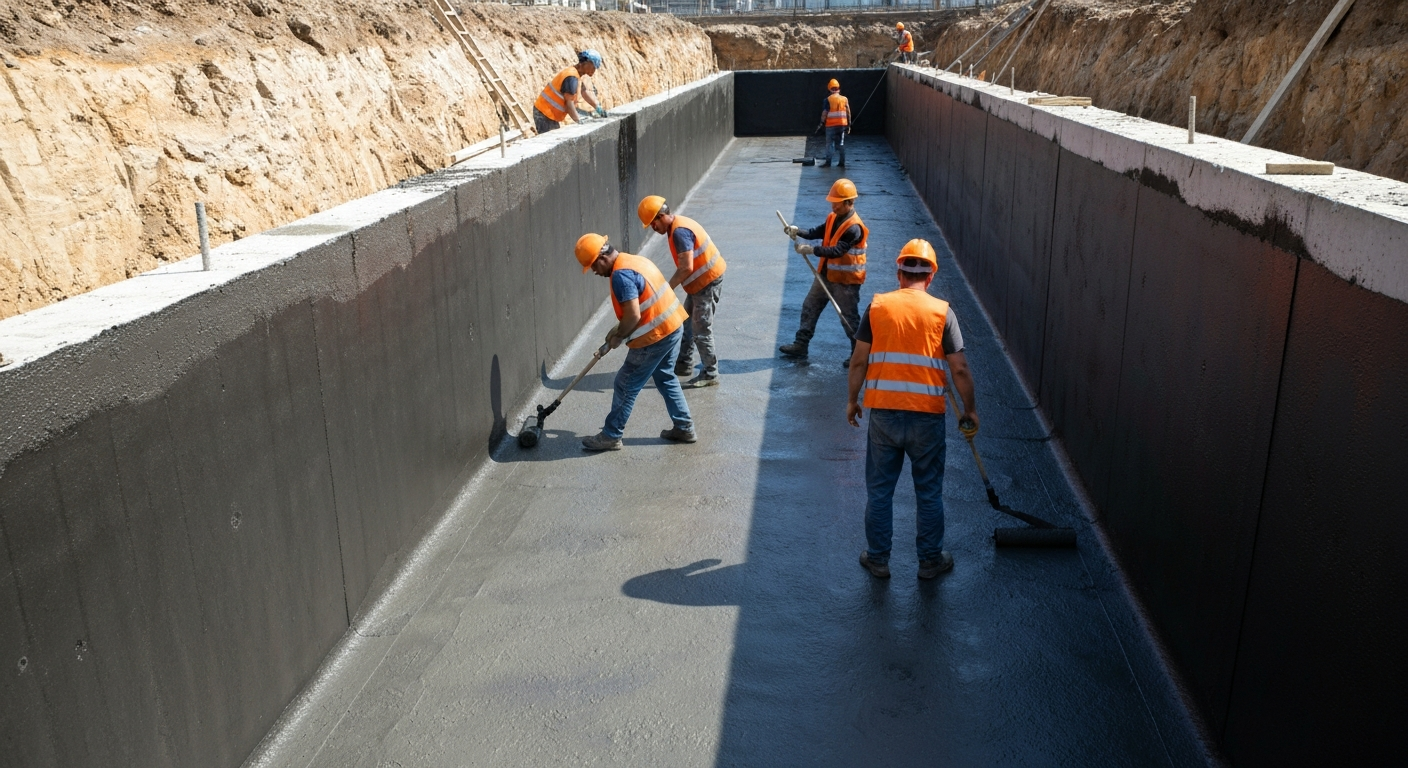
In Taradale, Alberta, basement waterproofing choices usually come down to two questions: where the water is entering and how much hydrostatic pressure the foundation wall or slab sees during wet seasons. With Taradale sitting within Calgary’s clay-and-clay-till soils, water tends to hold against foundation walls; that, combined with freeze–thaw, commonly worsens existing joints and cracks over time. The timing matters, too—Taradale’s population was 17,630 in 2021 (Statistics Canada, 2021 Census), and that steady household demand keeps contractors busy, particularly during spring and late fall when seepage complaints spike. In older pockets of Calgary-area neighbourhoods, original weeping tile can be decades old and partially failed, turning “slow dampness” into recurring wall staining and efflorescence.
Costs in the Calgary market typically align with national Canadian ranges, but they skew higher when you need deep exterior excavation, full-perimeter drainage, or when access is tight (patios, landscaping, and narrow lot lines are common). Interior systems are often less disruptive, yet they may cost less up front while still requiring a reliable sump and drainage path. For Taradale homeowners, exterior work is often in highest demand where driveways and landscaping are already established—particularly near the older, developed residential sections where drainage upgrades are frequently requested. If you’re weighing options, the comparison table below will help you match your symptoms to the right scope.
| Method |
What It Addresses |
Disruption Level |
Durability |
Price Range |
| Exterior excavation + new membrane + drainage tile |
Primary water source management outside foundation; reduces hydrostatic pressure and wall seepage |
High (excavation, disposal of clay spoils, backfill, landscaping disruption) |
Long (typically 20+ years when done as a full perimeter system) |
$12,500–$23,500 |
| Interior perimeter drain channel + sump pit |
Collects water after it enters; controls seepage and lowers hydrostatic pressure at the floor line |
Medium (basement floor work; typically no excavation) |
Long (often 15+ years, depends on discharge reliability) |
$6,500–$13,500 |
| Foundation crack injection (epoxy or polyurethane) |
Seals or stabilizes cracks; epoxy for structural crack sealing, polyurethane for active leaks |
Low to Medium (interior patching; limited demolition) |
Medium to Long (commonly 10–20 years; depends on crack movement and moisture source) |
$800–$2,200 |
| Sump pump installation (primary + battery backup) |
Removes collected water reliably during heavy melt events; reduces risk during outages |
Medium (pit excavation, discharge routing, electrical tie-in) |
Medium to Long (pump lifecycle varies; backup extends resilience) |
$1,400–$3,200 |
| Window well drain installation |
Stops localized seepage behind window wells; manages runoff at the lowest perimeter points |
Low to Medium (localized excavation and grading around wells) |
Medium (typically 10–15 years) |
$1,100–$2,400 |
| Lot re-grading / downspout extension |
Redirects surface water away from foundation; reduces volume entering around the perimeter |
Low (yard work; minimal interior disruption) |
Medium (depends on ongoing maintenance and settlement) |
$900–$3,000 |
Prices are estimates only and vary by project scope, site access and material selection.
What affects the price of waterproofing in Taradale
In Taradale and the wider Calgary area, two homeowners can receive quotes for “the same” waterproofing need and still see price swings of 30–50%. The biggest reasons are scope definition and site conditions: excavation depth, how far the system must extend, whether drainage tile and discharge are truly functioning, and how much concrete or block work is required before a sealing product can perform. Calgary-area pricing can also move because contractors schedule crews around thaw windows, disposal logistics, and daylight access—especially where yards are already hardscaped.
Three drivers separate Alberta costs from the national average: (1) soil type, (2) water table conditions, and (3) freeze–thaw. Clay-heavy soils common in Alberta hold water and expand when saturated, increasing lateral pressure on foundation walls and making crack management more demanding. In low-lying pockets along the Bow/Elbow river valleys and coulees, seasonal groundwater and heavy storms can raise hydrostatic pressure, which means sump sizing, discharge routes, and continuous exterior membranes become more critical. Freeze–thaw then widens cracks and joints, allowing meltwater and spring runoff to penetrate more easily. That’s why older housing stock tends to see higher frequency of failing weeping tile and localized wall leaks.
Here are a few concrete Taradale examples that change your budget: if your foundation is a poured concrete wall with stable crack lines, epoxy injection paired with drainage improvements can keep you closer to the lower end of foundation repair pricing (often within $500–$1,800). If you need a full perimeter system—membrane plus exterior excavation and new drainage tile—expect the job to typically fall within the broader exterior waterproofing range of $9,000–$25,000, especially when landscaping and tight lot access force more careful hand-digging. Conversely, if you’re mostly dealing with interior seepage and a failing perimeter drain, an interior perimeter drain/channel plus sump pit can often target the problem with less disruption, commonly landing in the $5,000–$15,000 band for interior waterproofing.
| Price Factor |
Why It Matters |
Cost Impact |
| Interior vs. exterior approach |
Interior controls water after entry; exterior addresses the source by managing water pressure outside the wall |
Exterior can cost materially more than interior due to excavation, disposal and full-perimeter membrane work |
| Foundation type |
Poured concrete typically seals differently than block or stone; some assemblies require complementary drainage strategies |
Block and mixed foundations often need more interior drainage detail, raising labour and prep |
| Soil type |
Clay expands more than sand, increasing pressure during freeze–thaw |
Higher risk of ongoing seepage means more robust systems and detailing (membrane, drains, sump capacity) |
| Crack type and length |
Hairline cracks may be manageable with sealing; horizontal/step cracks indicate greater movement |
Structural evaluation, longer injection lines and larger patch areas can increase costs |
| Sump pump backup system |
Spring flooding and power outages increase the consequences of pump failure |
Battery or alternate backup adds equipment and install time; can move a project up within $900–$3,000 for sump work |
| Access |
Decks, patios, tight lot lines and driveways can force removal and careful reinstallation |
Exterior work with limited access increases labour and can extend excavation duration |
| Weeping tile age |
Original tile (60+ years) may be collapsed, clogged, or incorrectly discharged |
If failed, you may need partial or full replacement rather than “top-ups” |
| Mould or efflorescence remediation required |
Sealers often won’t bond well to contaminated surfaces; porous, salt-laden areas need treatment |
Additional remediation labour and materials before sealing increases total cost |
Permits & regulations in Alberta
In Alberta, a permit is commonly required when your waterproofing project crosses into structural work or changes to how the lot manages drainage. In practice, foundation excavation, structural crack repair (especially when there are signs of horizontal movement, major step cracking, or anything that may require underpinning), and changes to lot drainage (like altering grading that affects runoff patterns) typically require a building permit. Sump pump installations can also trigger municipal approval when the discharge connects into storm or sanitary sewer systems—so the discharge route must be confirmed before the pump is installed.
For structural crack repair, it’s often prudent to have a structural engineer assess the condition first. That assessment determines whether the crack is simply leaking, or whether the foundation needs stabilization or underpinning. When you’re comparing quotes in Taradale, ask if the contractor works with engineering support for structural repairs and whether they carry liability insurance and WSIB/WCB coverage.
How to verify an Alberta contractor step-by-step:
- Ask for their Alberta business/contractor licence number (if applicable to their trade scope) and confirm it via the relevant online registry.
- Request a certificate of liability insurance with your project address or jobsite listed.
- Confirm WSIB/WCB coverage status (or valid exemption documentation where allowed).
- For structural crack work, request evidence that engineering support is available or included.
- Ask whether permits are pulled by the contractor or you, and who is responsible for inspections.
- Get the permit/inspection plan in writing before work begins.
Interior vs exterior waterproofing — what does Taradale need?
Exterior waterproofing and interior waterproofing solve different parts of the same problem. Exterior work (full excavation, new membrane, new drainage tile, and backfill) targets the source: it reduces the amount of water pressure reaching the wall by intercepting and channeling water outside the foundation. It’s the most “permanent-feeling” option, but it’s also the most invasive—digging, disposal of heavy clay spoils, and landscape restoration are usually unavoidable. Interior waterproofing (perimeter drain channel, sump pit, and sump pump) manages water after it enters; it’s typically less disruptive, but it doesn’t eliminate hydrostatic pressure on the wall itself.
Given Taradale’s Calgary-area climate pattern—freeze–thaw that widens joints—and Calgary’s clay-and-clay-till soils that hold water against foundation walls, the best choice depends on both foundation type and symptom pattern. For poured concrete walls with cracking that is stable (often suitable for crack injection support), epoxy crack injection combined with drainage improvements can be an efficient way to stop localized seepage without starting a full excavation. For block foundations, interior drainage often becomes a practical complement because block assemblies can be more vulnerable to localized moisture migration; a perimeter drain plus sump control frequently reduces recurring dampness even when exterior access is limited.
Sump pump backup matters in Alberta. If power goes out during spring melt events, a primary-only system can fail at the worst time; adding backup helps keep the collected water moving. As an example, if you’re choosing between a smaller interior solution and an exterior system, that decision is often justified by scope: a perimeter drain and sump can target the problem for roughly within the $5,000–$15,000 interior range, while exterior excavation plus membrane and drainage tile is commonly within $9,000–$25,000. If your inspection shows extensive wall leakage driven by outside water pressure, paying for exterior typically saves you from repeating interior interventions.
| Method |
Best For |
Addresses Source? |
Disruption |
Lifespan |
Price Band |
| Full exterior excavation + membrane |
Frequent seepage/efflorescence driven by outside water pressure or high seasonal groundwater |
Yes (most complete source control) |
High |
20+ years |
$12,500–$23,500 |
| Interior French drain + sump system |
Basements with interior seepage where exterior access is limited, or as a reliable complement to crack work |
Partially (manages water after entry) |
Medium |
15+ years with maintained discharge |
$6,500–$13,500 |
| Crack injection — epoxy (structural) |
Stable, non-active cracks in poured concrete where the crack is primarily a sealing/structural gap |
No (doesn’t address outside pressure, but seals a pathway) |
Low to Medium |
10–20 years |
$800–$2,200 |
| Crack injection — polyurethane (active leak) |
Active seepage through cracks where water is still migrating |
No (seals active pathways; often paired with drainage) |
Low to Medium |
10–18 years depending on movement |
$950–$2,600 |
| Interior drain channel only (no sump) |
Light seepage where collection can discharge effectively without pump dependence |
No (not source control) |
Medium |
10–15 years if drainage remains adequate |
$5,000–$10,500 |
| Re-grading + downspout extensions |
Surface-water problems (gutter discharge toward foundation, ponding near walls) |
Yes for surface water |
Low |
5–10 years (maintenance dependent) |
$900–$3,000 |
How to choose a waterproofing contractor in Taradale
Choosing a waterproofing contractor in Taradale should start with proof—not promises. First, verify Alberta coverage and compliance: ask for their liability insurance certificate and confirm WSIB/WCB coverage (or proper documentation if exempt). Then request their business details and licence information relevant to the trade scope. If a contractor offers structural crack repair, confirm they have engineering support available; that’s not a “nice to have” when repairs involve potentially structural issues.
Next, request 2–3 itemised written quotes. You want a breakdown of labour and materials (membrane, drain components, pumps, crack injection products, discharge piping, concrete repair), not just a lump sum. Scrutinize what’s excluded: disposal of excavated clay, permit fees, restoring landscaping, matching drainage slopes, and whether there’s mould or efflorescence remediation before sealing. Clarify disposal logistics—Calgary-area excavation often creates heavy spoil that can affect total cost. For warranty, ask for two pieces: workmanship warranty length and the manufacturer/product warranty details. Also ask if warranties are transferable if you sell the home.
Payment schedule matters. Don’t pay more than 10–15% upfront; use a holdback until the work is complete and cleaned up, and ensure you have documentation for inspections if permits apply. Get a start date and a completion estimate in writing so you’re not left waiting mid-season.
- Confirm liability insurance certificate (project address/jobsite listed if possible).
- Verify WSIB/WCB coverage or documented exemption.
- Require written scope: excavation limits, drainage routing, and discharge plan.
- Ask whether permits are pulled and who handles inspections.
- Request a material list with product names (membrane type, drains, pumps, injection product).
- Ensure disposal of clay spoils is explicitly included or excluded.
- Confirm how they handle existing weeping tile (tie-in, replacement, or abandonment plan).
- Get details on sump pump discharge route and backflow prevention.
- Review their crack injection plan: epoxy vs polyurethane selection criteria.
- Require a workmanship warranty in writing, including what it covers.
- Ask about schedule and contingencies for freeze–thaw weather windows.
- Use a payment schedule with a holdback until final walkthrough and documentation.
Red flags we see in Taradale include contractors who quote based on photos only, won’t explain their exterior drainage discharge plan, promise “guaranteed” fixes without addressing water pathways, minimize permit questions, or provide a warranty that covers materials but not workmanship.
Frequently asked questions — waterproofing in Taradale
How do I know if a foundation crack is serious?
In Taradale (and across Calgary’s clay-heavy soils), not every crack is a structural concern, but some patterns should trigger deeper evaluation. Look for horizontal or step-like cracking on block walls, cracks that continue to widen seasonally, and signs of active moisture (fresh dampness, bubbling paint, or water tracks). Efflorescence—white mineral staining—often means water is moving through the crack, not just hairline shrinkage. If you feel drafts at the crack line or notice water pooling after spring melt, treat it as active until proven otherwise. For many homeowners, injection scope is chosen based on activity: structural sealing (often epoxy) versus active-leak injection (often polyurethane). A typical crack repair can range around $500–$1,800 for straightforward repairs, but serious movement may require engineering assessment and expanded scope before sealing.
How much does foundation crack repair cost in Taradale?
Foundation crack repair in Taradale usually depends on whether the crack is stable or actively leaking, plus the length, accessibility and amount of surface preparation. For limited, non-moving cracks where injection is straightforward, homeowners often land in the $500–$1,800 band for basic crack repair work. If the crack is longer, needs more ports and patching, or is actively leaking and requires the right injection material and more detailed prep, costs can move toward the higher end within that same local band (or beyond when combined with drainage work). If you have associated efflorescence or mould, remediation should come before sealing, which adds time. In Alberta, make sure the contractor explains whether the product selection is based on movement and moisture condition—not just a standard “one size fits all” approach.
Do I need a sump pump in Taradale?
A sump pump is usually recommended when you have recurring interior seepage, signs of hydrostatic pressure at the slab edge, or a history of water accumulation during spring melt. In Calgary-area clay soils, water can build against the foundation and find the easiest internal pathways, so a perimeter drain system without a pump can be insufficient if gravity discharge isn’t dependable. Alberta’s freeze–thaw cycle also means meltwater events can be sudden, and power reliability matters during heavy runoff. If you already have water episodes, upgrading to a sump plan can be a practical risk reducer. Typical sump pump installations run roughly $900–$3,000 depending on pump type, discharge route and whether backup is included. In Taradale, we often see the best outcomes when the sump system is paired with a properly routed interior drain channel (and the discharge plan is confirmed for any permitting needs).
How does Taradale's soil affect my foundation?
Taradale sits within Calgary’s broader pattern of clay and clay-till soils, which behave differently than sandier soils. Clay holds water when saturated, and during freeze–thaw it expands and contracts, increasing lateral pressure on foundation walls and stressing joints and cracks over time. That pressure is why you often see localized seepage, efflorescence, and worsening wall staining in older neighbourhood pockets where weeping tile may be clogged or failed. Soil moisture also changes the performance of repair: a sealed crack can re-leak if outside water continues to build pressure. The good news is that you can manage this—either by improving source control (exterior membrane plus drainage tile) or by managing water after entry (interior drain channel plus sump). Homeowners typically choose based on the site’s access and whether symptoms point to high outside water pressure.
Do I need a permit for foundation work in Alberta?
Often, yes—depending on what you’re doing. In Alberta, foundation excavation, structural crack repair (especially where there are signs of horizontal movement or major issues), and changes to lot drainage typically require a building permit. Sump pump installation can also need municipal approval when discharge connects into storm or sanitary systems. In Taradale, the safest approach is to confirm the permit requirements based on your exact scope before work starts. To verify a contractor, ask whether they pull the permit and whether inspections are included. Also confirm they carry liability insurance and WSIB/WCB coverage. If structural concerns exist, a structural engineer’s assessment is commonly required so the permit application reflects the actual risk level and the correct remediation plan. Don’t rely on verbal “no permit needed” answers—get it in writing.
How long does waterproofing last?
Watertight performance depends on the method and whether the underlying water pathway is treated. Exterior waterproofing systems—when installed as a continuous membrane plus properly functioning drainage tile—are commonly expected to last 20+ years, especially when clay soils and freeze–thaw are addressed with complete source control. Interior systems typically last less than full exterior systems but can still perform well for 15+ years when the sump pump and discharge remain reliable and the interior drain path stays clear. Crack injection longevity is often 10–20 years, but active-leak situations can shorten that timeline if outside pressure isn’t corrected. For Taradale homes, if you’re mostly seeing localized dampness, an approach within $500–$1,800 for straightforward crack repair may be sufficient; if you need broad exterior excavation, plans often fall within $9,000–$25,000, which generally correlates with longer-term source control.