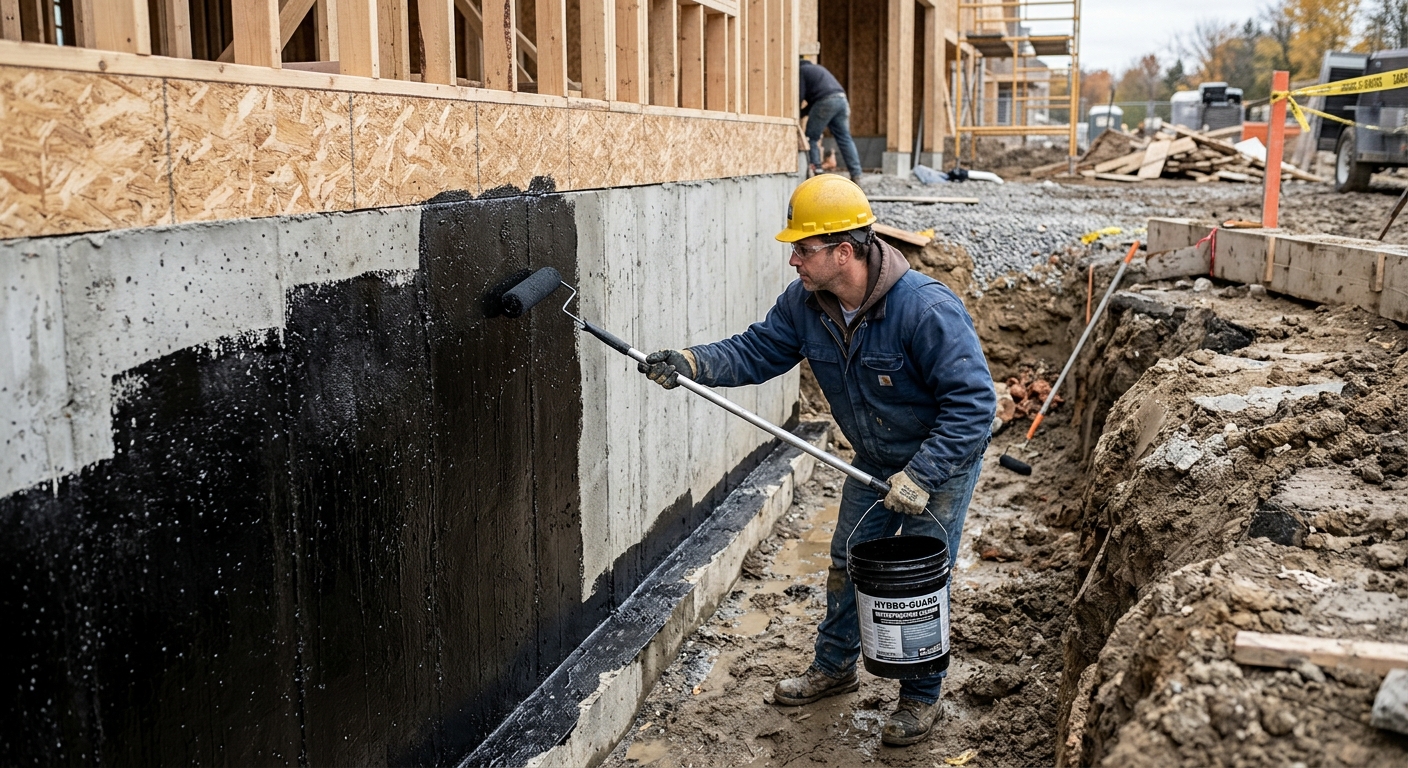
Basement waterproofing options and costs in Altadore
In Altadore, Alberta, basement leaks are rarely a “one-size-fits-all” repair. The city’s homes include a mix of older stock—Statistics Canada reported Altadore’s population at 7,290 in the 2021 Census—where original systems like tar-and-paper membranes and early generations of weeping tile are more likely to have failed or become clogged over time. On Calgary-area clay-and-clay-till soils, buried water expands when saturated and then shifts with freeze–thaw, which increases lateral pressure on foundation walls and makes existing cracks and joints widen. That’s why contractors in the Altadore market are seeing seepage, efflorescence, and localized wall dampness far more often than sudden “catastrophic” foundation failure.
Cost is also shaped by access and excavation realities in established inner-city pockets—tight lot lines, mature landscaping, older concrete patios, and the need to dispose of clay spoils can push labour and equipment time higher. Freeze–thaw also creates a short, busy window for exterior work, so availability and scheduling can affect project pricing. For many homeowners near the core of Altadore (especially along busier side-streets where equipment access is limited), exterior waterproofing and drainage retrofits are especially in demand.
Below is a practical comparison of the most common waterproofing approaches you’ll see in Altadore, with typical disruption and realistic cost ranges. Then, you can match the method to your problem—before you compare quotes.
| Method |
What It Addresses |
Disruption Level |
Durability |
Price Range |
| Exterior excavation + new membrane + drainage tile |
Primary source of water entry; redirects groundwater away from the foundation and walls |
High (yard disruption, excavation, re-grading) |
Long-term (often 15–25+ years depending on detailing and maintenance) |
$9,000–$25,000 |
| Interior perimeter drain channel + sump pit |
Collects seepage after it enters; reduces hydrostatic load on the interior side |
Medium (interior floor/step cutting, sump discharge routing) |
Good (typically 10–20 years for the system, with pump replacement over time) |
$5,500–$14,000 |
| Foundation crack injection (epoxy or polyurethane) |
Seals cracks; epoxy is usually for dry/structural sealing, polyurethane is for active leaks |
Low to medium (surface prep; localized drilling) |
Moderate to long-term (often 5–15 years depending on crack movement) |
$500–$1,800 |
| Sump pump installation (primary + battery backup) |
Controls collected water during storm events and winter/spring melt cycles |
Low to medium (pit installation, discharge lines, wiring) |
High when maintained (pump lifecycle + backup reduces outage risk) |
$1,200–$3,000 |
| Window well drain installation |
Stops water pooling around egress wells and reduces seepage paths |
Low to medium (localized excavation around wells) |
Good (often 8–15 years depending on grading and weep maintenance) |
$1,000–$2,600 |
| Lot re-grading / downspout extension |
Reduces roof runoff and directs surface water away before it reaches foundation walls |
Low (often no indoor work) |
Variable (can last 5–10 years; needs re-check after settling) |
$1,200–$4,800 |
Prices are estimates only and vary by project scope, site access and material selection.
What affects the price of waterproofing in Altadore
In Altadore and across Calgary, you can see the same general waterproofing “type” priced 30–50% apart. That gap usually comes from how much excavation is truly required, how far the contractor must dig for proper drainage tile alignment, whether the foundation issue is active seepage versus stabilized cracking, and what’s needed to achieve a complete drainage pathway—not just a patch. In practical terms, a smaller interior solution can cost far less if the main problem is localized dampness; but if exterior hydrostatic pressure is the driver, interior-only work often costs less up front yet needs stronger ongoing management.
Three local conditions separate Calgary-area costs from a national average: (1) clay-heavy soils, (2) variable water table pockets, and (3) freeze–thaw intensity. Clay expands when saturated, increasing lateral pressure on basement walls and making cracks widen over time—so a “seal only” repair can fail if water flow remains. In low-lying pockets near river valleys and coulees, higher seasonal groundwater and storm events can increase hydrostatic pressure, raising the need for reliable perimeter drains and sump systems. And because freeze–thaw widens joints, contractors often need deeper crack prep or additional detail at transitions (wall-to-slab, corners, and penetrations).
Two examples that commonly move costs in Altadore: (1) if your backyard requires removal of interlock, a concrete patio, or mature beds to reach the foundation, exterior excavation can climb toward the $9,000–$25,000 band; (2) if your leak is active, polyurethane injection plus a sump backup can push interior work toward the upper side of the $5,000–$15,000 interior range. Also, older neighbourhood housing stock tends to have weeping tile that’s 60+ years old—when that original tile is failed, contractors must decide between targeted interior capture or a full perimeter fix.
| Price Factor |
Why It Matters |
Cost Impact |
| Interior vs. exterior approach — interior is less disruptive but addresses symptoms |
Interior solutions catch and pump water after it enters; exterior reduces the entry source |
Interior often saves upfront; exterior often costs more but can be more complete |
| Foundation type — poured concrete vs. block vs. stone vs. ICF |
Different wall systems crack and leak differently, affecting prep and detailing |
Poured concrete may respond well to injection; block often needs interior drainage support |
| Soil type — clay expands more than sand, adding pressure |
Saturated clay increases wall pressure and can overwhelm “simple” sealing |
More robust drainage and sealing details may be required, raising labour and materials |
| Crack type and length — hairline vs. structural horizontal cracks |
Active horizontal movement can indicate structural concerns and needs deeper evaluation |
More drilling, routing, and possibly engineering support can increase costs significantly |
| Sump pump backup system — battery or water-powered backup needed |
Backup reduces basement flooding risk during power outages in spring melt conditions |
Typically adds cost, but often prevents expensive restoration |
| Access — landscaping, decks, or driveways must be removed for exterior |
Excavation time rises when access is tight or demolition/disposal is required |
May move an exterior project higher within the $9,000–$25,000 band |
| Weeping tile age — original tile (60+ years) may be completely failed |
Failed tile can stop drainage and redirect water to new pathways |
May force full-depth corrections instead of targeted interior work |
| Mould or efflorescence remediation required before sealing |
Sealing over contamination can worsen odours and compromise adhesion |
Additional cleaning, drying time, and materials can add measurable cost |
Permits & regulations in Alberta
In Alberta, the need for permits depends on how extensive your foundation and drainage changes are. In most cases, foundation excavation, structural crack repair (particularly when there’s evidence of significant movement), and changes to lot drainage typically require a building permit. If the plan involves connecting a sump pump discharge line to the storm or sanitary sewer, municipal approval is commonly required before installation. For horizontal cracks in block walls or major step cracks, a structural engineer’s assessment is often recommended to confirm whether underpinning, wall stabilization, or additional structural work is needed rather than sealing alone.
Step-by-step, here’s how a homeowner in Altadore can verify a contractor before signing:
- Ask what permits are required for your exact scope (exterior excavation, crack repair, sump discharge routing) and whether the contractor pulls them.
- Request the contractor’s Alberta business licence/registration details and confirm they are in good standing (use Alberta’s online business registry).
- Ask for a certificate of liability insurance that matches the work (homeowners should see the insured entity name and coverage limits).
- Verify WSIB/WCB coverage using the clearance approach stated on the certificate—don’t accept “we’re covered” without proof.
- For structural crack work, ask for engineering support details (who assesses, who provides recommendations, and whether they coordinate with the engineer).
- Get everything in writing: scope, permit responsibility, exclusions, and start/completion timelines.
Work that often DOES require a permit includes significant foundation repair, excavation near the foundation that changes drainage pathways, and structural-type crack repairs. Work that typically does NOT require a permit includes minor interior sealing of small, stabilized cracks (when not structural) and straightforward maintenance like downspout extensions—however, always confirm with your contractor and the permit office based on your exact plan.
Interior vs exterior waterproofing — what does Altadore need?
The key difference is source control versus water management. Exterior waterproofing involves full excavation, installing a continuous membrane, placing or re-establishing drainage tile, and then backfilling and re-grading to keep water from contacting your foundation in the first place. It’s more expensive and disruptive, but when the main driver is exterior groundwater or saturated clay pressures, it’s the most direct long-term solution. Interior waterproofing—typically a perimeter drain channel, sump pit, and sump pump—captures water after it enters and reduces pressure on the interior surfaces. It’s less invasive and often the right choice when excavation access is limited, but it doesn’t stop hydrostatic pressure from acting on the wall itself.
In Altadore’s Calgary climate context, exterior work frequently becomes justified when freeze–thaw and clay saturation are actively worsening cracks and joints, especially if weeping tile is older or failed. If your basement has poured concrete walls and the leakage is primarily along stabilized cracks, crack injection (often alongside interior drainage) can be a cost-effective complement. If you have block foundations, interior drainage is commonly necessary because block systems can allow moisture paths through mortar and voids even when surface sealing looks “fine.”
Also consider power reliability: Alberta spring conditions can bring rapid melt and heavy rain, and sump pumps can cycle frequently. A battery backup is often a sensible layer of protection where outages are possible, and it can reduce the chance of cleanup costs dwarfing the waterproofing upgrade.
For example, a homeowner comparing an exterior excavation project in the $9,000–$25,000 band versus an interior perimeter drain and sump approach around the $5,000–$15,000 range might justify the higher exterior cost when they have active weeping tile failure plus visible wall dampness across multiple walls. If the leak is isolated and limited, the interior route is often the better value—provided the system is properly sized and maintained.
| Method |
Best For |
Addresses Source? |
Disruption |
Lifespan |
Price Band |
| Full exterior excavation + membrane |
Widespread seepage, chronic damp basements, failed exterior drainage |
Yes |
High (excavation, landscaping disruption) |
Long-term (often 15–25+ years) |
$9,000–$25,000 |
| Interior French drain + sump system |
Localized to moderate leaks, tight lots, when exterior access is limited |
No (manages entry water) |
Medium (interior cutting and sump install) |
Good (10–20 years with maintenance) |
$5,500–$14,000 |
| Crack injection — epoxy (structural) |
Dry or stabilized cracks in poured concrete or structural sealing needs |
Partial (seals crack path) |
Low to medium (surface drilling and prep) |
Moderate to long-term (5–15 years depending on movement) |
$600–$1,600 |
| Crack injection — polyurethane (active leak) |
Active seepage through cracks/joints where water pressure is present |
Partial (stops active water path) |
Low to medium (drilling and injection) |
Moderate (5–12 years when crack movement is controlled) |
$650–$1,800 |
| Interior drain channel only (no sump) |
Minor dampness with gravity drainage potential |
No |
Medium (interior work) |
Limited (depends on consistent drainage and monitoring) |
$3,500–$8,000 |
| Re-grading + downspout extensions |
Surface water issues, roof runoff dumping near foundation |
No (addresses surface entry) |
Low (yard work) |
Variable (5–10 years) |
$1,200–$4,800 |
How to choose a waterproofing contractor in Altadore
Choosing the right contractor in Altadore starts with verification. First, confirm Alberta licensing/registration details for the business entity you’ll hire—don’t rely on a salesperson’s verbal claim. Next, ask for liability insurance and review the certificate: it should list the correct legal name, jobsite coverage, and current effective dates. Then verify WSIB/WCB coverage by requesting the clearance letter or current proof referenced on their certificate; if they can’t provide it, walk away. For structural crack-related scopes, ask whether they work with engineering support and whether they carry appropriate coverage for that type of work.
Second, get 2–3 itemised written quotes. You want a labour and materials breakdown, not just one lump sum. Confirm what’s included: permit pull (if required), excavation extent, disposal fees for clay spoils, pump model, discharge routing, and whether there’s allowance for patching and restoring landscaping. Scope exclusions should be explicit (for example, what happens if additional failed weeping tile is discovered during excavation).
Third, review warranty terms. Ask for the workmanship warranty length and whether it’s transferable if you sell the home. Also separate the manufacturer warranty for membrane/drain products from contractor installation coverage. In payment scheduling, a best practice is never paying more than 10–15% upfront; hold back part of the balance until the work is complete and cleanup is done. Finally, require a written start date and completion estimate.
- Verify Alberta business registration/licence information matches the contract.
- Obtain a certificate of liability insurance and confirm jobsite coverage.
- Request WSIB/WCB clearance or current proof before work begins.
- Insist on itemised quotes: excavation, membrane/drain materials, labour line items, pumps, and accessories.
- Confirm whether disposal and haul-away of clay spoils are included.
- Ask if permit pull is included (when required) and who pulls it.
- Ensure crack repair scope states crack length, method (epoxy vs polyurethane), and surface prep requirements.
- Confirm sump sizing, discharge routing, and backflow prevention details.
- Ask about pump model and service accessibility (not just “a sump pump”).
- Verify warranty: workmanship duration, product warranty, and whether it transfers to a new owner.
- Set a payment schedule with a 10–15% upfront cap and a holdback until final inspection/cleanup.
- Get start and completion timelines in writing, including weather-related delays.
Red flags to watch for in Altadore: vague scopes like “we’ll waterproof it” without explaining drainage tile/membrane details, refusing to provide proof of insurance and WSIB/WCB, quoting only interior solutions while ignoring obvious signs of exterior water entry, offering no engineering support when cracks appear structural, and pushing for large upfront payments or a fast-sign pressure pitch.
Frequently asked questions — waterproofing in Altadore
How do I choose a waterproofing contractor in Altadore?
In Altadore, choose a contractor who matches your cause of water entry—not just the symptom. Start by requesting itemised quotes that spell out whether you’re getting exterior excavation (membrane + drainage tile) or an interior perimeter drain and sump system. Then verify the contractor’s Alberta registration/business details, ask for liability insurance, and confirm WSIB/WCB coverage using current proof/clearance documents. Because Calgary’s clay-heavy soils and freeze–thaw can worsen cracks, make sure the scope explains the “why” behind the method (for example, polyurethane injection for active leaks vs epoxy for stabilized cracks). As a budget reference, exterior projects often land around $9,000–$25,000, while interior drainage and sump work is frequently in the $5,000–$15,000 band, depending on access and system complexity.
What is a battery backup sump pump and do I need one in Altadore?
A battery backup sump pump system keeps your sump running if the power goes out—important in Alberta during spring melt and heavy runoff when pumps cycle more frequently. In Altadore, a backup is often recommended if your basement has any history of seepage during storms, if your home has a critical laundry/storage area that can’t be flooded, or if your area experiences short outages. The goal isn’t to replace good waterproofing; it’s to reduce the risk of water rising while you’re waiting for power restoration. Many installs pair the primary pump with an alarm and either battery or water-powered backup, which can add cost but often prevents expensive cleanup and drywall replacement. If you’re planning a sump installation, typical pricing with a backup option commonly sits in the $1,200–$3,000 range, depending on system components and discharge routing.
How much does basement waterproofing cost in Altadore?
Basement waterproofing in Altadore generally depends on whether you address exterior water entry or manage it on the interior. For exterior excavation with a continuous membrane and new drainage tile, budgeting typically aligns with $9,000–$25,000, especially when there’s limited access or you must remove landscaping and dispose of clay spoils. Interior waterproofing (perimeter drain channel plus sump pit and pump) is often in the $5,000–$15,000 range for many Calgary-area jobs, with higher costs where there’s widespread seepage, additional floor cutting, or multiple walls involved. Foundation crack injection alone is usually much less than full system work, often around $500–$1,800, but it’s only a good fit when the crack is stable (epoxy) or the active leak can be reliably stopped (polyurethane). Always compare quotes based on scope and included systems, not just the final total.
Interior vs exterior waterproofing — which is better?
In Altadore, exterior waterproofing is “better” when the root cause is outside water pressure—common on clay-and-clay-till soils where saturation and freeze–thaw widen cracks and joints. Exterior work involves full excavation, membrane installation, and properly functioning drainage tile plus re-grading, which targets the source of water entry. Interior waterproofing is often better value when excavation access is tight or when you need to manage seepage already entering the basement; it typically uses a perimeter drain channel, sump pit, and sump pump. However, interior systems don’t stop hydrostatic pressure from acting on the wall; they manage the water once it appears. That’s why homeowners sometimes see interior solutions priced in the $5,000–$15,000 range while exterior can reach the $9,000–$25,000 band—choose based on your leakage pathways, not price alone. If cracks are active and widespread, interior-only may be a short-term “holding pattern.”
Why is my basement leaking in Altadore?
Basement leaks in Altadore usually come down to water pathways that aren’t being managed effectively. Clay-heavy soils hold water and expand when saturated, increasing lateral pressure and pushing seepage through cracks and joints—especially after freeze–thaw cycles. If your weeping tile is older or clogged (common in established Calgary neighbourhoods), water can build up around the foundation and migrate inward. You may also see leaks tied to roof runoff: undersized downspouts, missing extensions, or poor re-grading can send surface water toward the footing. In some low-lying pockets of the broader Calgary area, seasonal groundwater and storm events can create more hydrostatic pressure, making a dependable perimeter drainage plan and sump system crucial. Signs like efflorescence, damp corners, or recurring wetness after snowmelt often indicate a drainage and pressure issue rather than a simple cosmetic problem.
How do I know if a foundation crack is serious?
Not every crack is a structural emergency, but you should treat certain patterns as a priority. In Altadore, hairline cracks can be benign if they’re dry and stable; injection may be enough depending on the wall system. Cracks that are horizontal, step cracks that widen over time, or long cracks that appear to move with seasonal cycles may indicate more than cosmetic separation—especially in poured concrete joints or block wall mortar lines under clay pressure and freeze–thaw movement. The best way to judge seriousness is a targeted inspection: measure crack width over time, check for water during melt/storm events, and look for interior signs like active seepage, mineral staining, or recurring wet drywall. For horizontal/structural-type concerns, a structural engineer’s assessment is often warranted to determine if underpinning or stabilization is needed. If it’s actively leaking, polyurethane injection is often used; if it’s stabilized and dry, epoxy may be appropriate. Crack repairs commonly fall around $500–$1,800, but the real “cost” risk is sealing the wrong problem.